
“Is Your Dog Slowing Down, Stiff, or Not Themselves?”

Many owners assume this is just ageing… but often it’s unresolved tension and discomfort.
Hidden scar tension and old injuries can cause ongoing tension.
We gently release this using MPS therapy.
MPS TREATMENT
Learn more about MPS with Dr. KK

MPS is a gentle, non-invasive treatment that helps release tension from scars and old injuries—allowing the body to move and function properly again.
Gentle, non-invasive treatment that helps release restriction, improve function, & support recovery
MPS Treatment Packages
Limited offer available until end of June
Support your fluffy’s healing journey while enjoying greater value with our package options.
MOST POPULAR ⭐ (3 sessions)
THREE Session Package
Regular value: $936
$700
💙 Save $236
✔ Consultation/examination fees included
✔ Consistent care to support ongoing progress
✔ Ideal for many fluffies beginning their MPS journey
BEST VALUE ⭐ (5 sessions)
FIVE Session Package
Regular value: $1,560
$1,160
💙 Save $400
✔ Consultation/examination fees included
✔ Greater savings with longer-term support
✔ Ideal for fluffies needing continued care and tissue healing support
When left untreated, this tension can lead to………
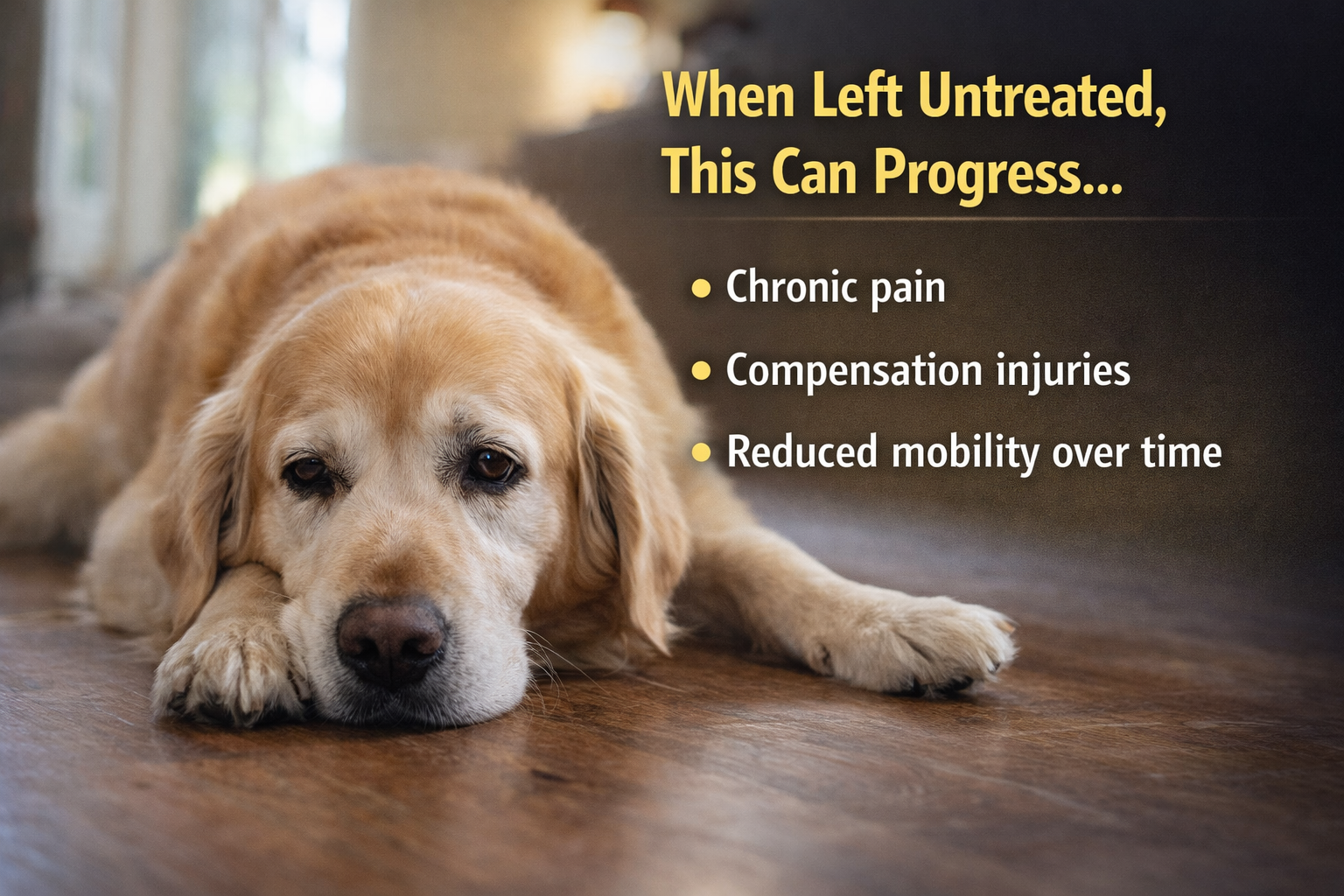
All resulting in future high vet bills and Longer recovery times
If You’ve Noticed These Changes, Don’t Ignore Them
Have you noticed your fluffy………?
Not quite the same afterwards?
More anxious or reactive “out of nowhere?
Stiff, guarded, or uncomfortable being touched?
Ongoing digestive issues or slow recovery?
Subtle tension you can’t explain?
These changes are easy to dismiss.
But the longer scar tension remains, the more the body compensates.
If you recognise even one of these signs, it’s worth investigating.

The Longer You Wait, The More The Body Compensates
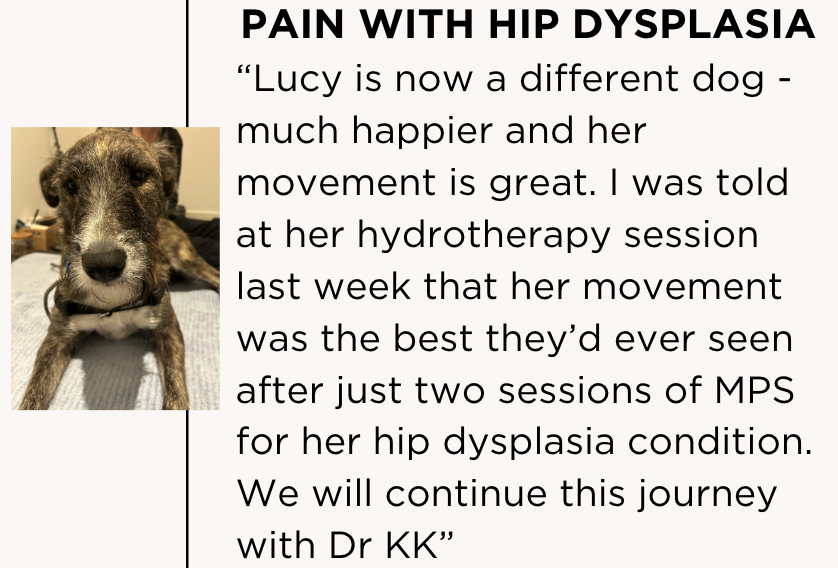
Best movement we’ve seen since surgery — after just 2 MPS sessions!” — Lucy’s Parent
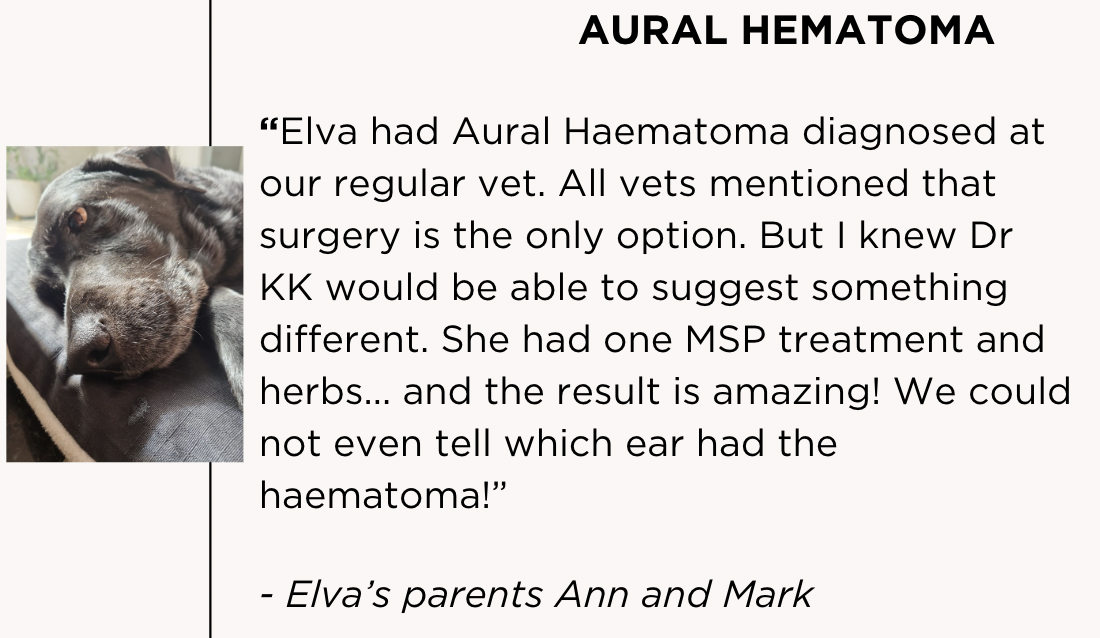
She had one MPS treatment and herbs….and the result was amazing!
The body adapts.
Muscles tighten to protect.
Movement patterns shift.
The nervous system stays slightly on guard.
Over months or years, this can place extra load on hips, lower back, and digestive organs.
Addressing scar restriction early is far easier than correcting long-term compensation patterns.
If you’ve been unsure, this is the right time to look deeper.
WHY DELAYING CAN MAKE IT HARDER TO RESET
When tension becomes entrenched over time, the body adapts. That makes it harder to release later. Every month it lingers, the body compensates more.
Scars are considered “healed” once the stitches are gone. But deeper tissue restriction is rarely assessed.
- It’s not part of routine follow-ups.
- It’s not visible from the outside.
- Most owners are never told it can influence movement long-term.
That’s why many dogs simply adapt — until stiffness, behavioural shifts, or compensation patterns appear later.
A simple scar assessment now can prevent years of subtle strain.